
Spaces for Entertaining
Family rooms, great rooms, and open living areas designed for gatherings. We focus on layout, lighting, and flow so hosting feels natural and comfortable.
See project examplesBasements & Additions
When a home needs more room to live well, basements and additions create new possibilities—especially in the West Metro where comfort, flow, and long-term performance matter. We plan for structure, moisture control, permits, and finish coordination so the new space feels seamless.
High-end results come from disciplined fundamentals. We focus on planning-first delivery, durable assemblies, and clean coordination so the homeowner experience stays calm from start to finish.
During active work, we keep key decisions, selections, documents, and next steps organized in our client portal so everything stays in one place. It saves you from hunting through texts, email threads, and photo albums trying to remember where we landed—so the project stays calm and keeps moving forward.
Expanding a home isn't just about square footage—it's about how the space will be used. We begin by understanding how your family gathers, relaxes, works, and entertains, then design spaces that feel intentional and comfortable.
Whether below grade or added onto the home, these spaces must integrate seamlessly— structurally, visually, and functionally. Our focus is on flow, ceiling height, natural light, and finishes that make the space feel like it truly belongs.
The goal is simple: create additional living space that feels as considered and well-built as the rest of your home.
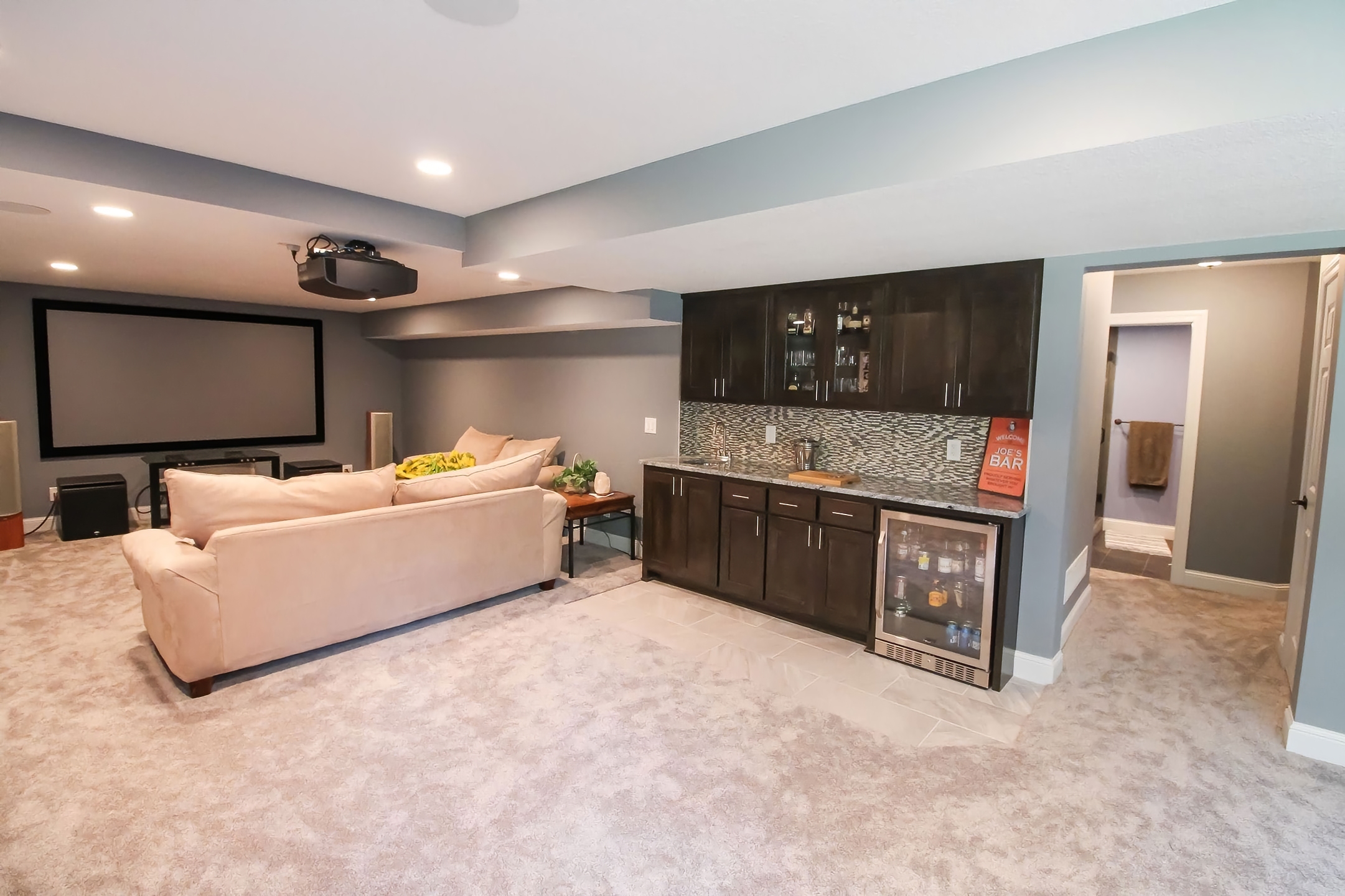
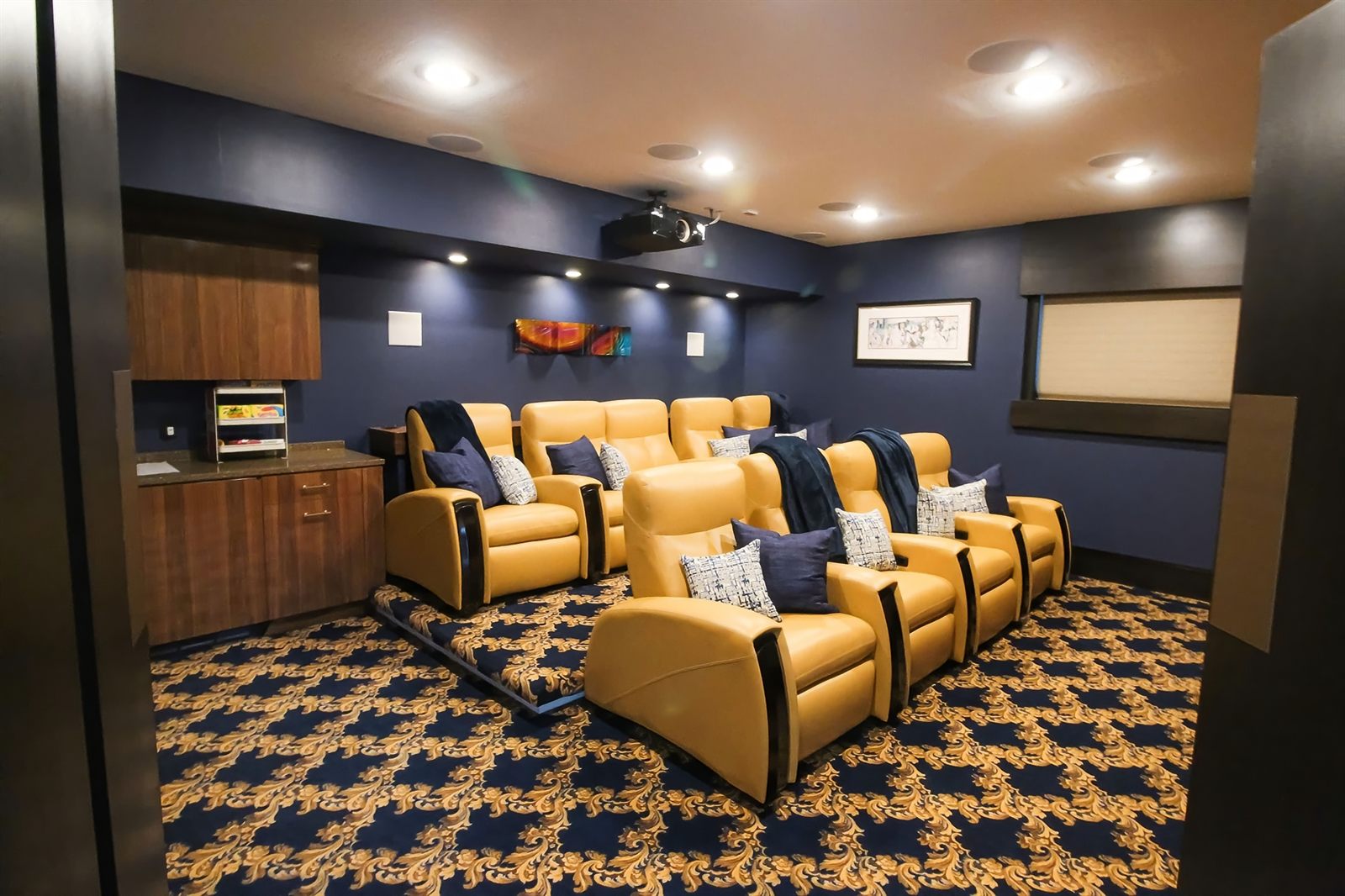
Designed for hosting, entertaining, and family nights—additions that expand how the home lives.
Family rooms, great rooms, and open living areas designed for gatherings. We focus on layout, lighting, and flow so hosting feels natural and comfortable.
See project examplesAdditions often create stronger connections to patios, porches, and yards— extending entertaining and everyday living beyond the original footprint.
Discuss your basement or addition goalsAdditions should feel original to the home. We carefully match proportions, materials, and details so new space integrates seamlessly.
See our planning-first processMovie nights, game nights, and everyday living—spaces designed around how families actually use their homes.
Start your space planning callComfortable lower levels designed for entertaining, work, and wellness.
Finished basements create ideal spaces for movies, games, and hosting— designed with acoustics, lighting, and comfort in mind.
View basement and addition projectsQuiet, comfortable workspaces with proper lighting, sound control, and thoughtful layouts that support productivity.
Plan your basement home officeHome gyms, yoga rooms, and wellness spaces built with ceiling height, ventilation, and durability to support healthy routines.
Technology integrationProper insulation, moisture control, and HVAC planning ensure basements feel warm, dry, and comfortable year-round.
Explore our high-efficiency approachA selection of spaces designed for gathering, relaxation, work, and wellness.
We focus on moisture control, insulation strategy, ventilation, and system coordination so lower-level spaces stay dry and comfortable.
Skipping moisture and ventilation planning, under-scoping electrical and lighting, and delaying layout decisions are common issues we address upfront.
Yes. We design for acoustics, durability, and practical daily use so specialty spaces perform as intended.


