Look for projects that match the scope of yours.
Project pages should help you judge whether we handle the kind of scope, decision-making, and finish level your own project will need. They're proof of thinking, not just proof of taste.
Ten case studies covering custom homes, whole-home renovations, kitchens, baths, additions, and finished basements across Minneapolis and the west metro. Use them to get a feel for the kind of work we do and the kind of decisions it takes to get there.
Project pages should help you judge whether we handle the kind of scope, decision-making, and finish level your own project will need. They're proof of thinking, not just proof of taste.
Watch how the projects handle layout, material choices, integration, and livability. Those are usually what tells you whether we're a good match for your house.
A house that reads differently from the road than it does from the water. The plan had to respect both.
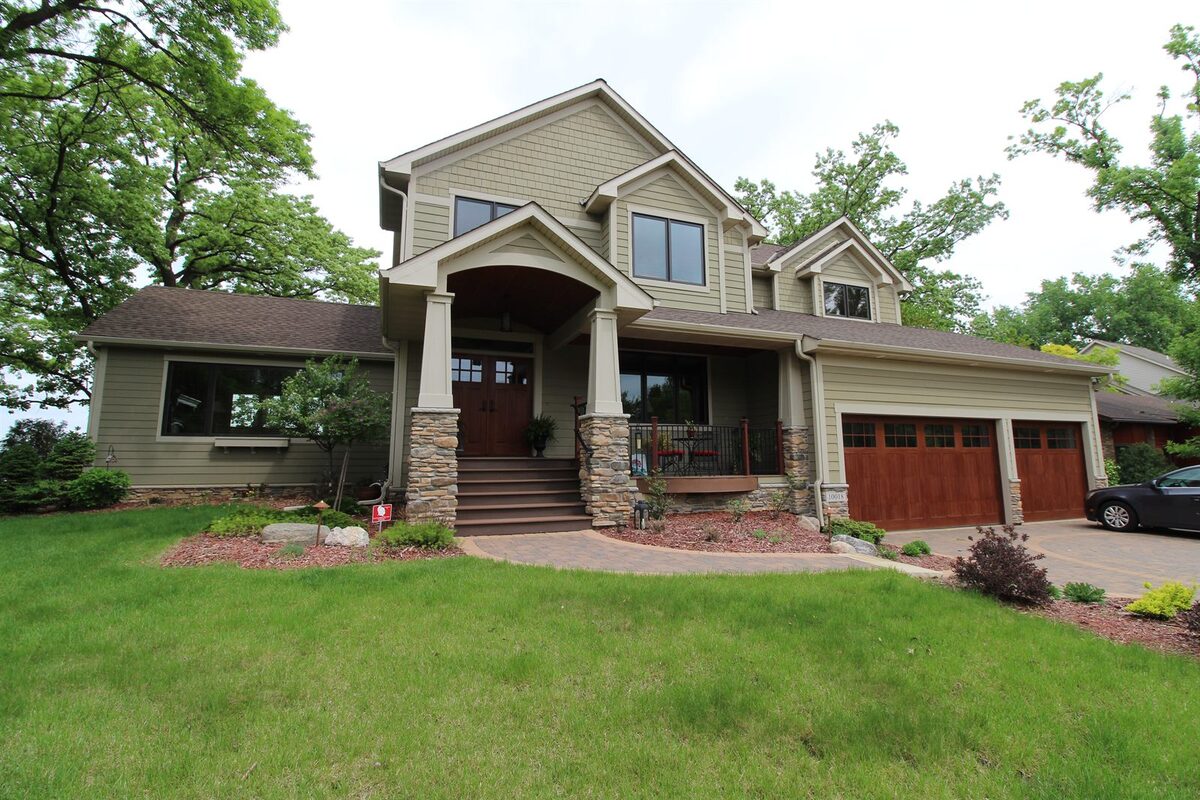
A craftsman custom home on a West Metro lake property. Strong front elevation, and a lake side that opens up to the view.
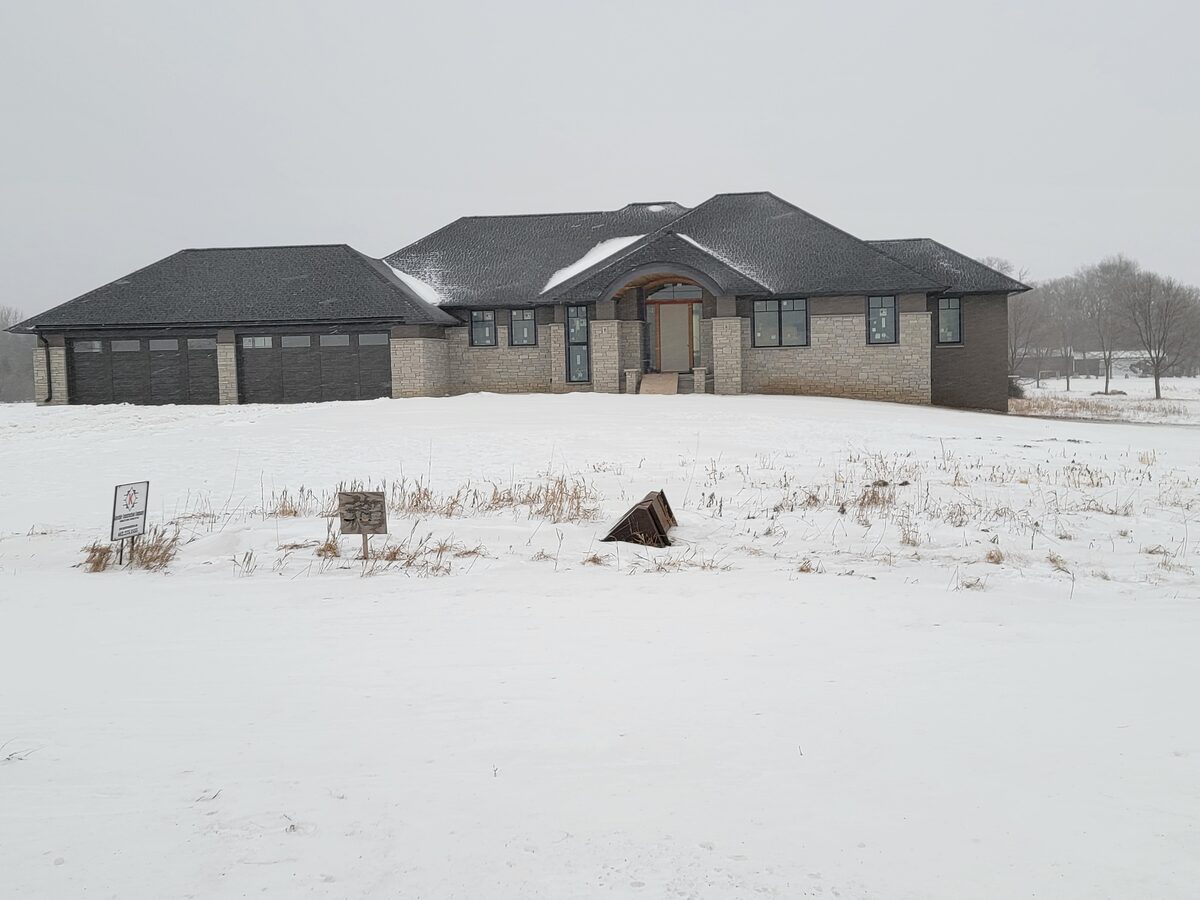
No trees, no neighbors, no hiding place. The house had to hold its own from every angle.
A new-construction home on open East Metro land. Strong from the road, warm inside, and scaled to the site.
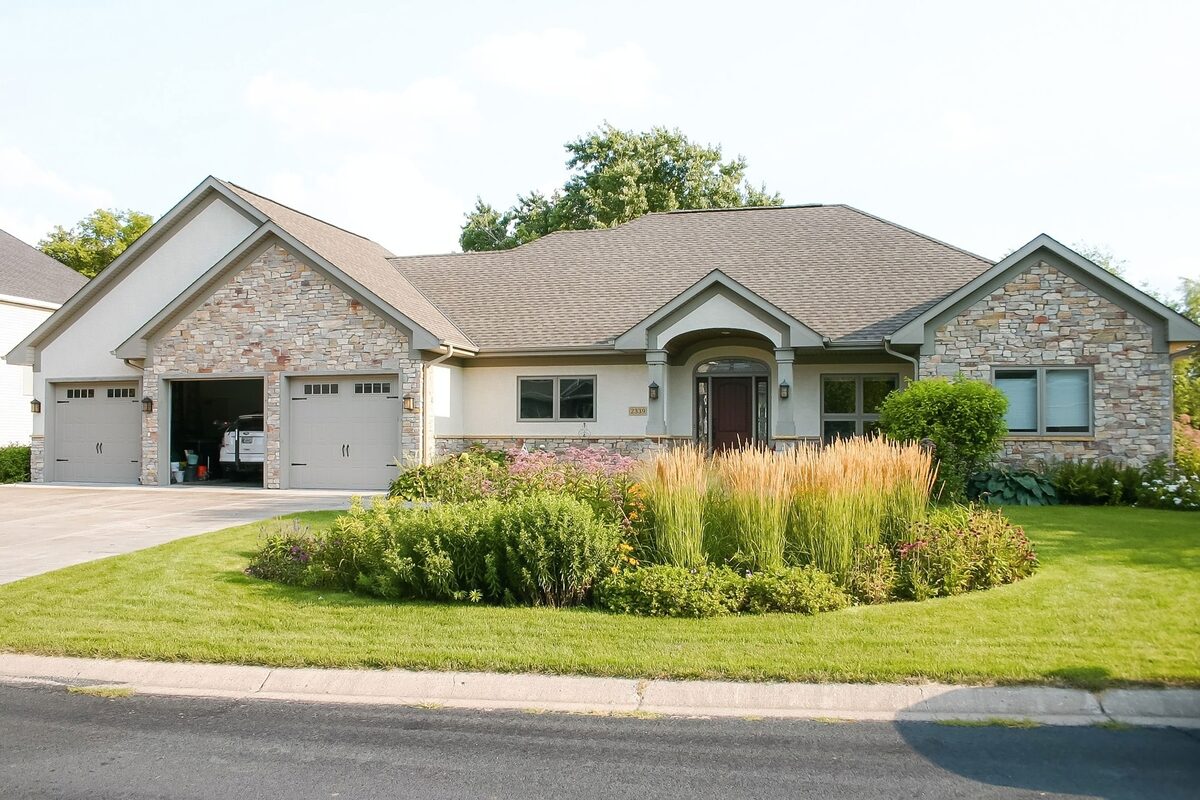
Not a statement house. A forever-ish house for a family that wasn't planning to move.
A custom home built on the unglamorous fundamentals: good proportion, warm materials, and a plan meant to serve a family for a long time.
The envelope was good. The interior was ten years past the point of living with.
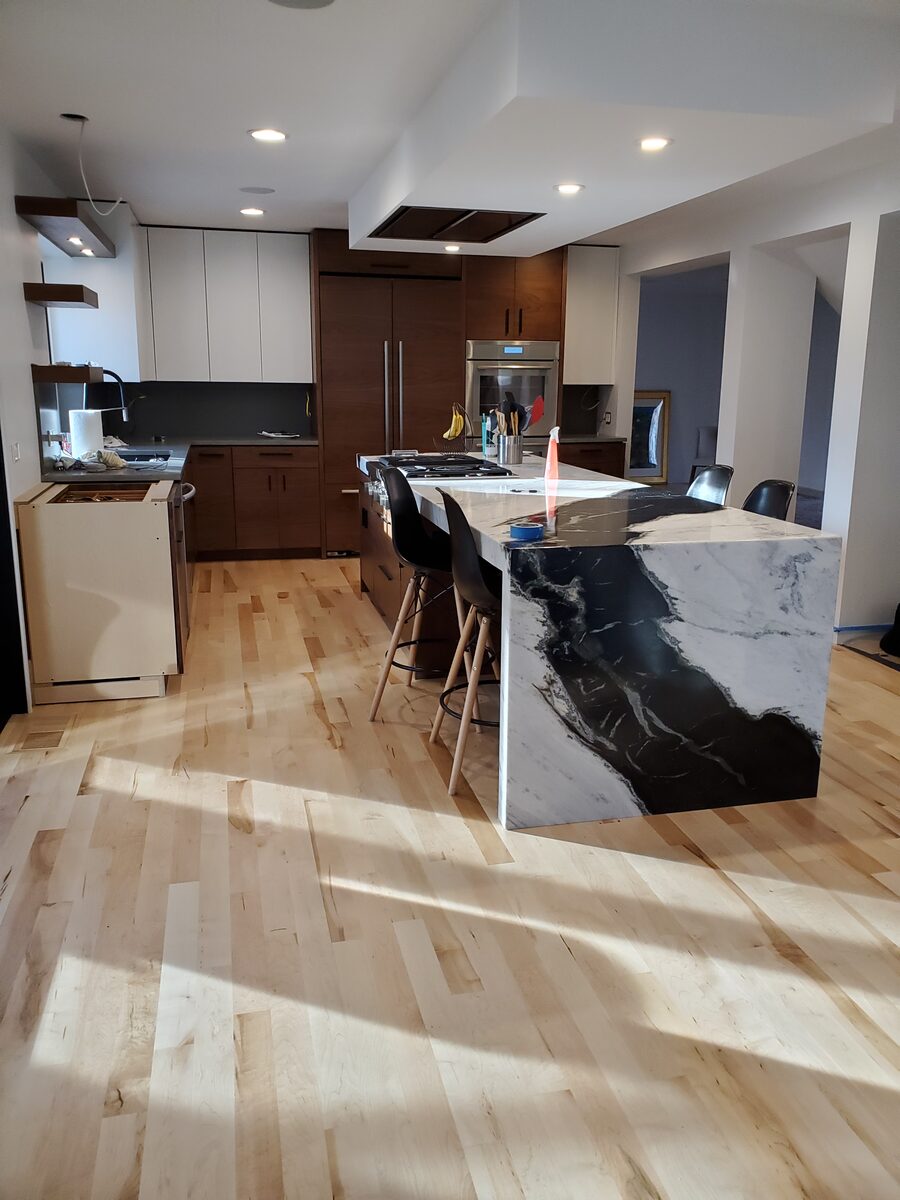
A classic home pulled into a cleaner, modern version of itself. Walnut, marble, and the warmth kept intact.
Good bones. Great neighborhood. An interior that kept getting in everyone's way.
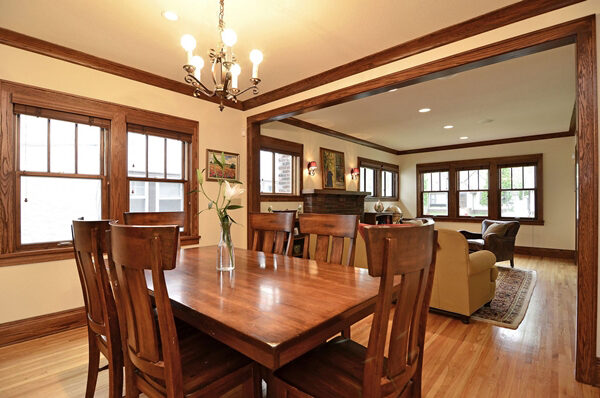
An older Linden Hills home made to work for modern family life. Better flow, warmer materials, craftsman character kept intact.
Classic exterior, cramped interior. The house had to get bigger on the inside without growing on the outside.
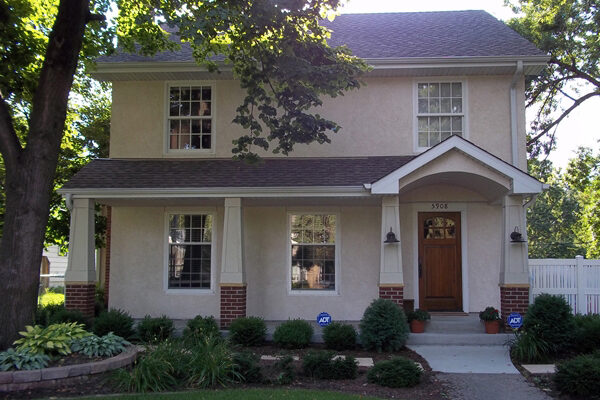
A classic Minneapolis stucco-and-brick two-story, reworked inside without giving up the neighborhood character.
A closed-off galley meant whoever was cooking was always alone. That was the whole problem.
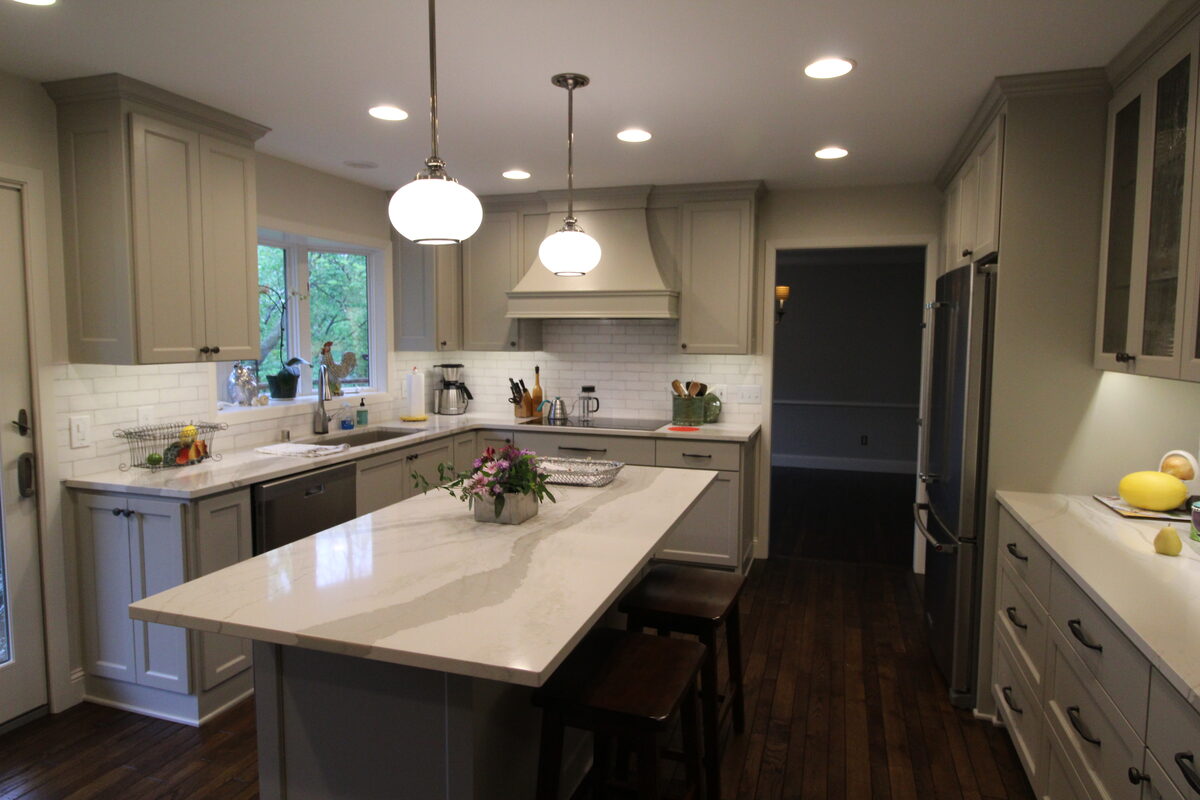
A closed-off galley opened into the center of the house. The family finally started cooking, eating, and living in the same room.
They needed more room, and still wanted it to look like their house.
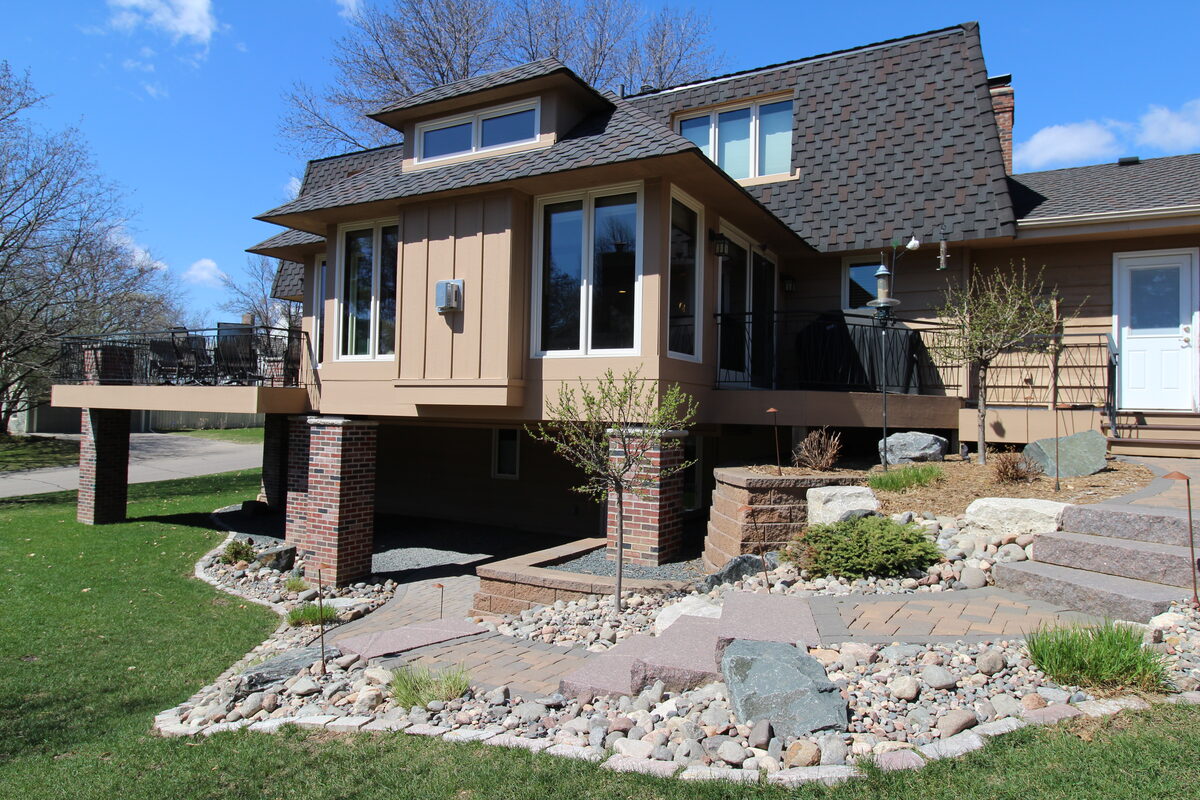
A family-room addition with a deck on top, built to look like it always belonged to the house.
Unfinished square footage nobody used, turned into the room the family uses the most.
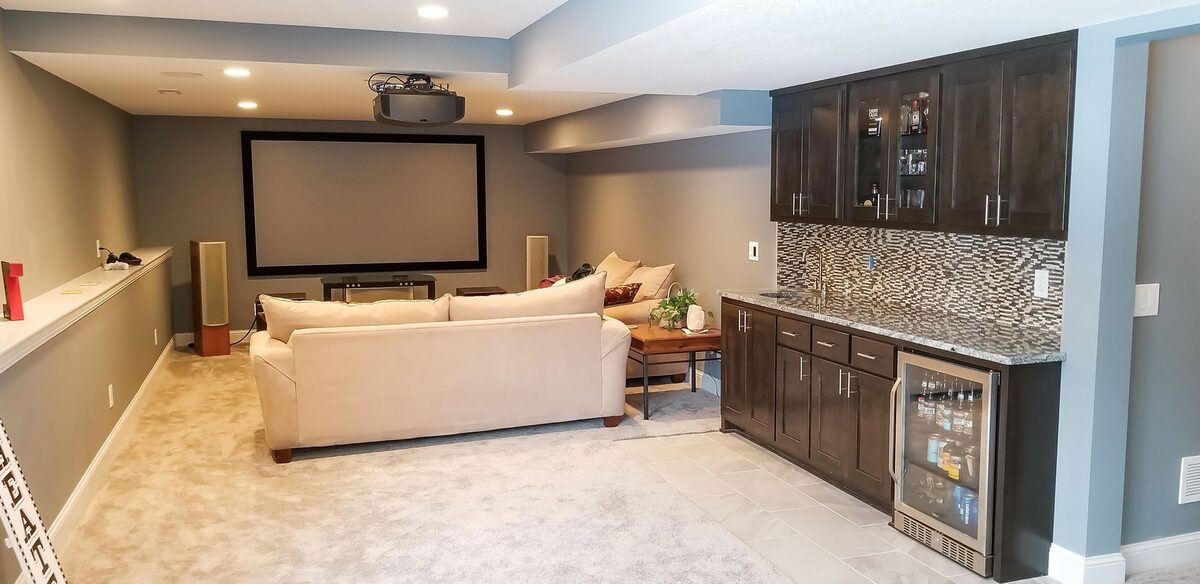
A lower level built for real use. Home theater, wet bar, full bath, and enough storage that the rooms stay calm.
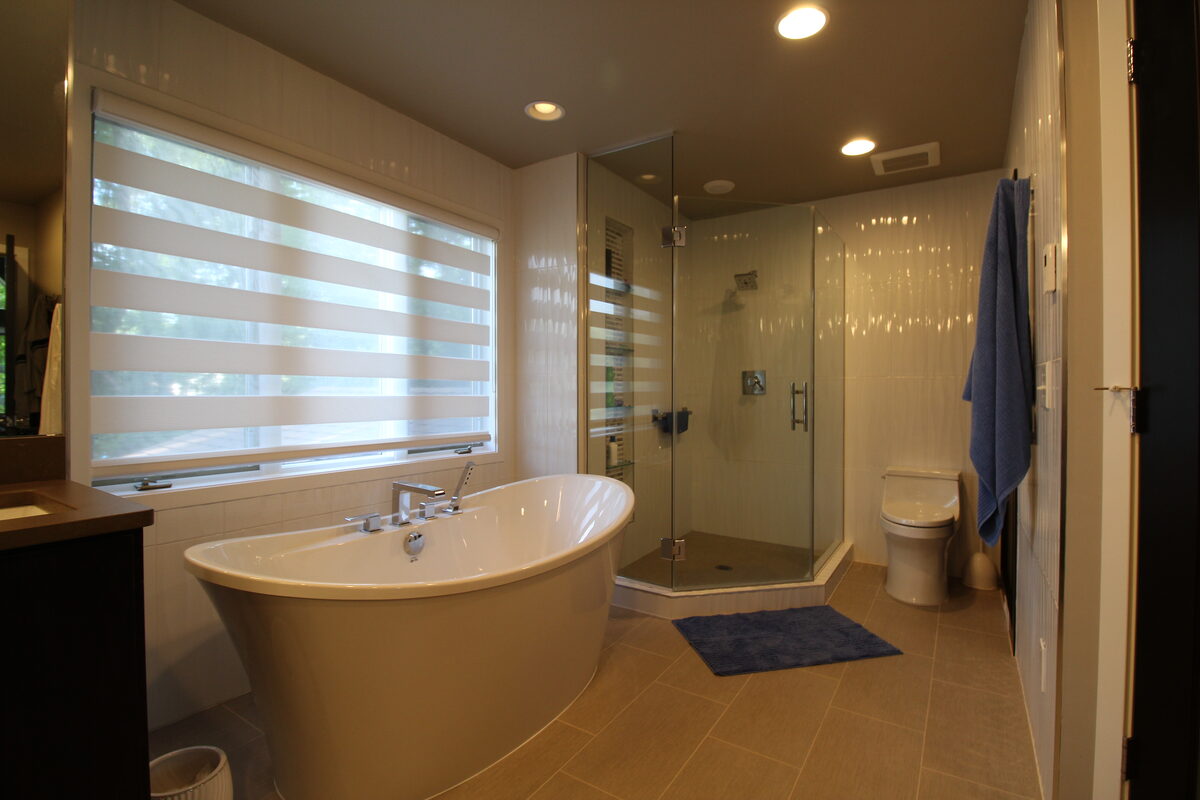
Small room, daily use, every shortcut punished for years. So we skipped the shortcuts.
A bathroom built around a freestanding tub, full glass shower, and a layout that actually lives well every day.
Across custom homes, whole-home renovations, kitchens, baths, additions, and finished basements, the common thread isn't a visual style. It's calmer layouts, better material choices, and work that feels settled instead of overworked.
Once you see the kind of work that's closest to your goals, the next step is usually the matching service page and then a consultation request.