How long does a typical home addition project take?
Timeline depends on complexity, permitting, and selections. Most additions include a planning phase first, then production sequencing for structure, envelope, mechanicals, and finishes.
Home Additions
High-end additions across the West Metro and western Minneapolis suburbs - planned around structure, permits, and how your family actually lives. We focus on seamless integration so the new space matches the home in flow, finish, and long-term performance.
Additions planned to improve circulation, capacity, and daily function while keeping the old and new spaces architecturally aligned.
Year-round durability depends on envelope continuity, structural integration, and weather-aware sequencing from foundation through finish.
Navigating impervious surface coverage limits, zoning setbacks, and city-specific permit requirements is part of our preconstruction service in West Metro municipalities.
We manage the zoning and variance process with the city when needed, including setback and impervious surface coverage requirements, so your addition is approved on a buildable path before construction starts.
Addition clients usually ask about structural feasibility, permitting risk, and whether the finished space will truly feel original to the house. We answer those before production so scope changes are minimized.
Home addition costs vary by structural complexity, foundation work, utility routing, and finish level. These are typical 2026 planning ranges we use for projects in Edina, Minnetonka, Wayzata, Plymouth, and Eden Prairie:
These ranges are for planning and budget calibration, not a final bid. Existing-conditions findings, site constraints, and permit requirements can move final cost. We provide detailed scope and budget direction during preconstruction.
Straight answers for homeowners planning home additions in the West Metro and Twin Cities.
For local planning context, see home additions in Minnetonka and home additions in Plymouth.
Timeline depends on complexity, permitting, and selections. Most additions include a planning phase first, then production sequencing for structure, envelope, mechanicals, and finishes.
Yes. We plan transitions in rooflines, structure, materials, trim, and interior finishes so the addition feels cohesive instead of looking bolted on.
Yes. Permit and inspection sequencing is part of preconstruction planning so approvals do not become late-stage surprises.
Scope priorities, allowances, lead-time selections, and phasing. Clear decisions early protect budget and schedule.
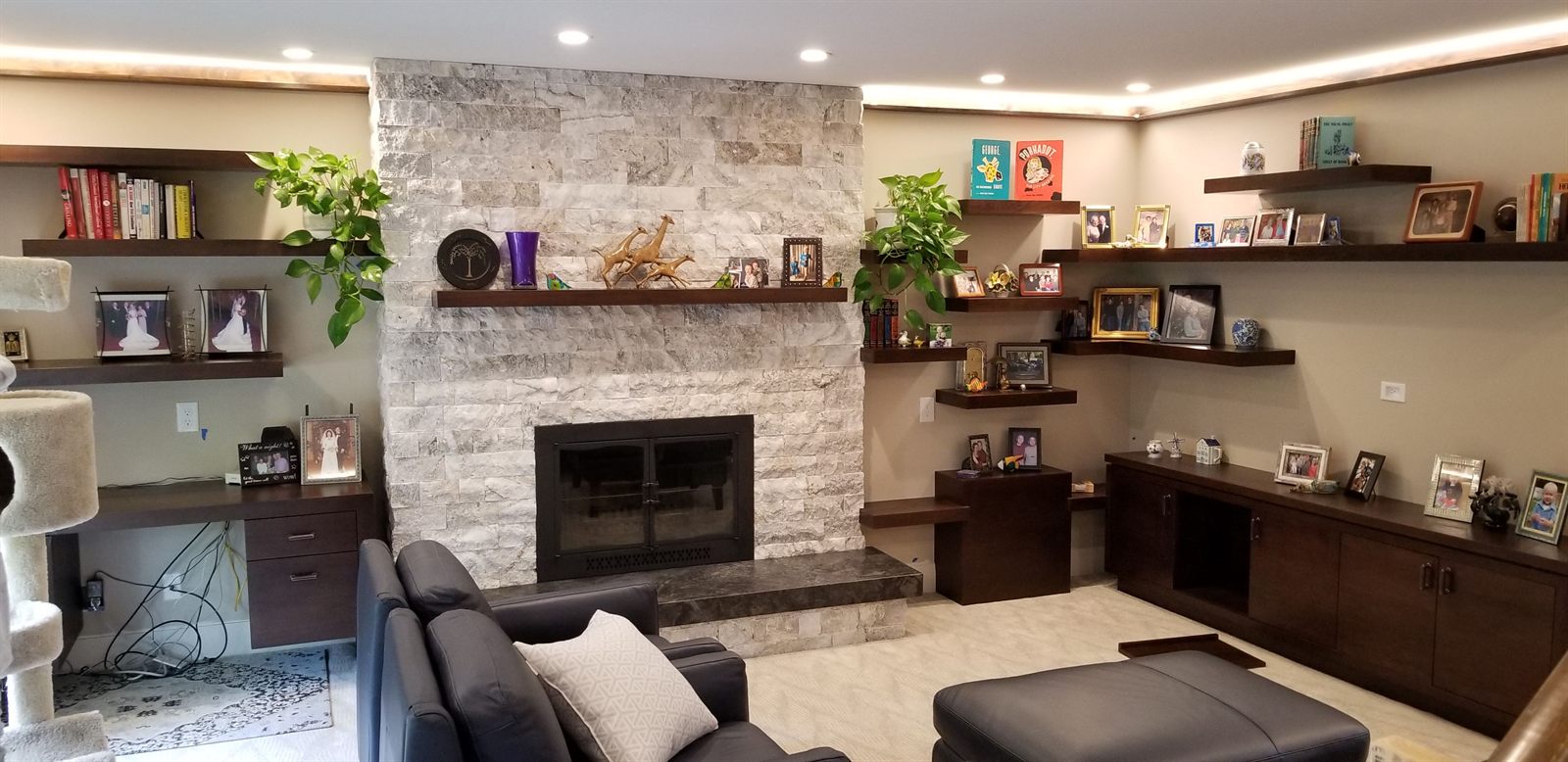
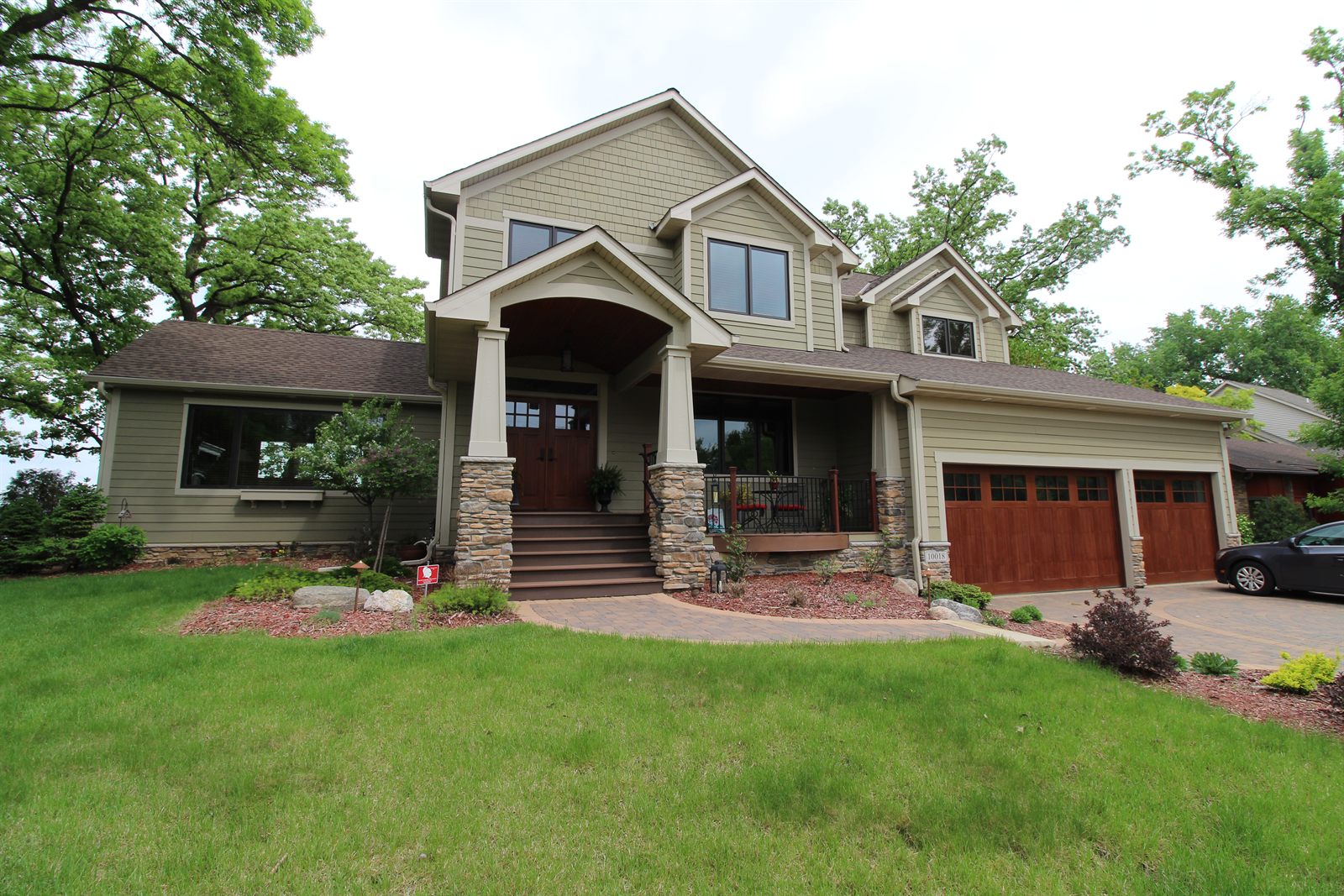
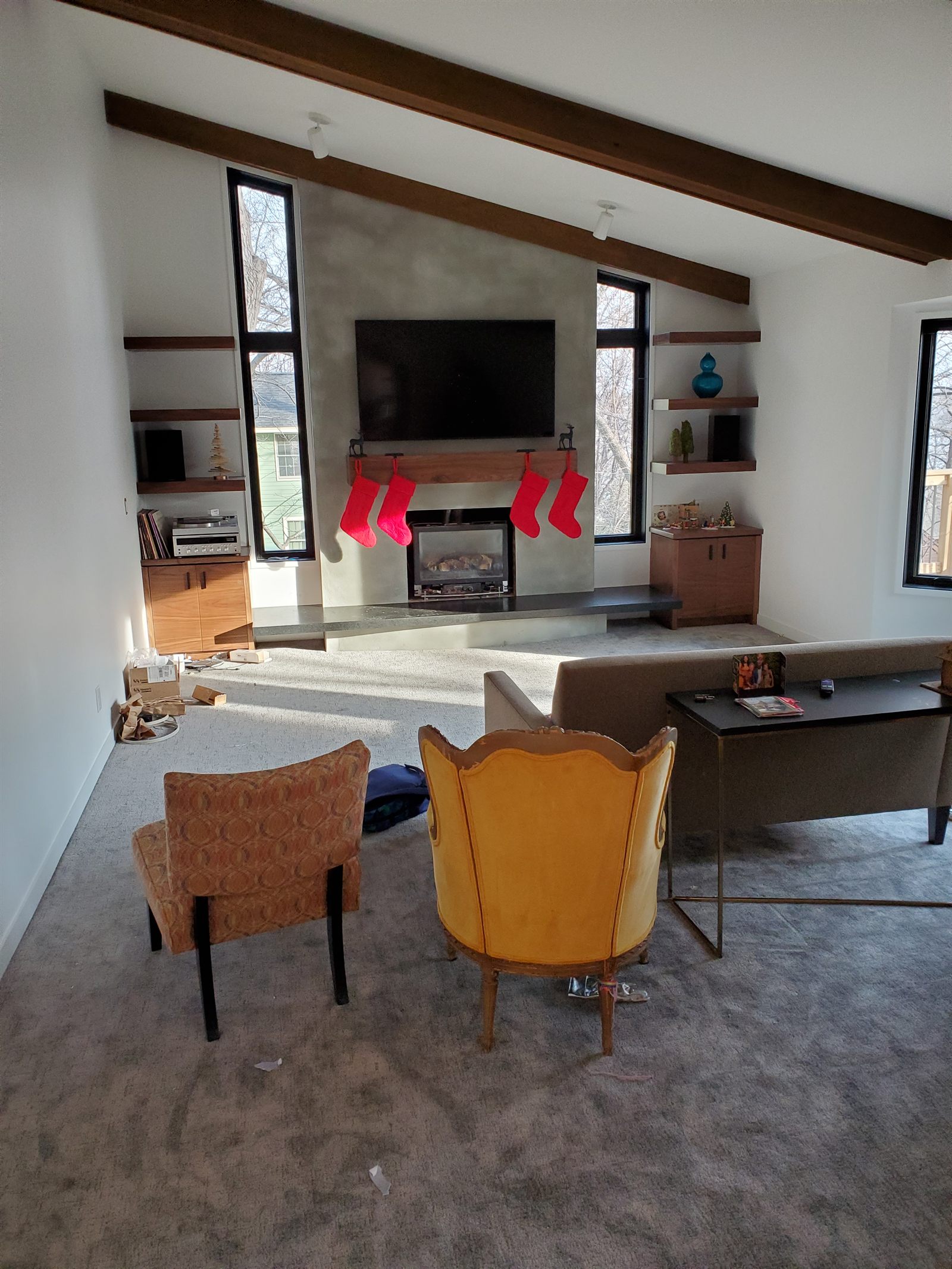
Examples of addition and adjacent renovation work where layout continuity and exterior integration were central to project success.
The first step in any addition is a feasibility study. We review impervious surface coverage, setbacks, and local zoning ordinances to confirm your sunroom, second story, bump-out, or porch expansion is buildable before design work begins.
Our goal is for the addition to look like it was always there. We match roof pitches, shingles, and siding-often coordinating finishes like James Hardie or LP SmartSide-so the final result is cohesive from every angle.