How to choose a general contractor in Minneapolis
Compare builders more intelligently, ask sharper questions, and avoid being won over by confidence that is not backed by process.
The right article lowers anxiety, sharpens judgment, and makes the real consultation more productive. That is the role of KCC's insights library.
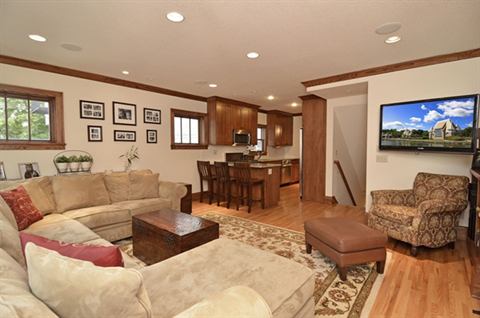
Compare builders more intelligently, ask sharper questions, and avoid being won over by confidence that is not backed by process.
Understand how layout, cabinetry, appliances, and finish level actually move the budget so you can plan with less wishful thinking.
A practical framework for deciding whether to invest in the house you have or put that money toward a move.
Understand where bathroom budgets really move, from waterproofing and tile decisions to plumbing shifts and primary-bath expectations.
Use a more realistic budget framework for suites, family-room additions, four-season space, and larger structural additions.
What basement finishes really cost once moisture, egress, bathrooms, and lower-level function are planned honestly.
See how schedule really works when permits, selections, lead times, and field sequencing are treated like part of the project.
A practical guide to what usually requires a permit, what does not, and why this is really a risk and resale question.
Compare proposals by scope, allowances, and exclusions so the lowest-looking number does not become the most expensive project.
See what can be phased cleanly, what should usually happen together, and how to avoid reopening the same house twice.
Understand how permit packages, inspections, and field sequencing shape the real schedule on larger addition work.
Plan the family routine, temporary kitchen, and daily disruption more intelligently before the room goes offline.
See what really controls bathroom schedules, from waterproofing and inspections to glass lead times and finish sequencing.